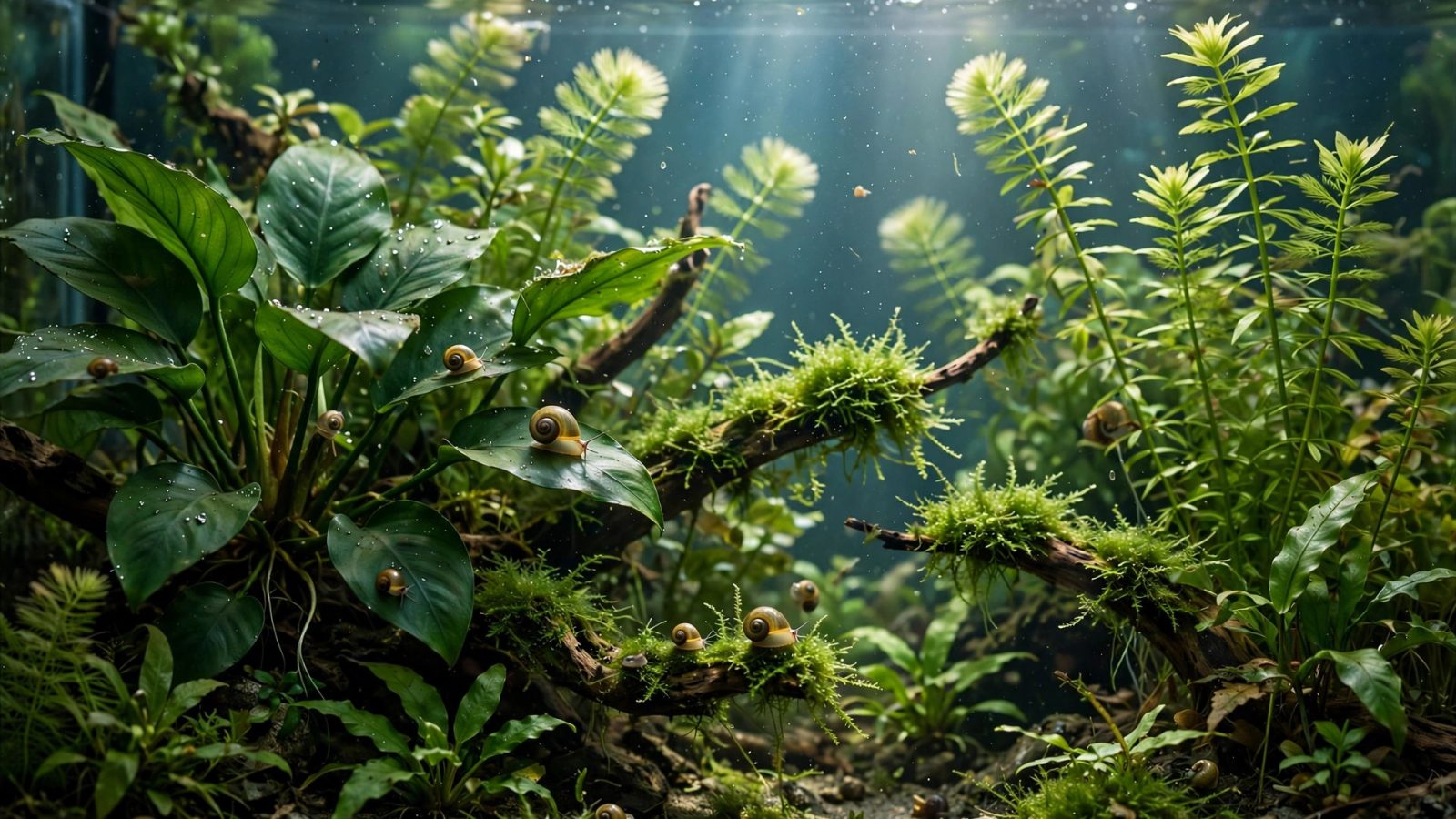
New aquarium plants can carry uninvited guests: pest snails, snail eggs, hydra, planaria, algae spores, and occasionally fish parasites. A single skipped quarantine has started countless snail infestations and algae outbreaks that took months to fix. Learning how to quarantine aquarium plants — or at minimum how to dip them — takes twenty minutes and prevents problems that take twenty weeks to solve.
This guide covers both approaches: the quick chemical dip that kills most hitchhikers, and the full quarantine-tank protocol for maximum safety.
What Actually Hitches a Ride on New Plants
- Pest snails (bladder snails, ramshorn snails, Malaysian trumpet snails) — the most common hitchhikers. A single snail or a jelly-like egg clutch on a leaf becomes hundreds within months in a fed tank.
- Snail eggs — tiny gelatinous clusters, nearly invisible on leaf undersides. Dips kill these more reliably than visual inspection ever will.
- Hydra — tiny predatory polyps that sting and eat baby shrimp and fish fry. Common on plants from shrimp-breeder tanks.
- Planaria — flatworms that prey on shrimp and eggs; often arrive in the water or substrate clinging to potted plants.
- Algae spores — every plant carries some; the question is whether it’s a species that will exploit your tank’s conditions. Dips reduce but don’t eliminate this risk.
- Dragonfly and damselfly nymphs — rare on store-bought plants, more common on pond-collected ones. They eat small fish and shrimp.
Tissue-culture plants (grown in sterile lab cups) carry none of these — they’re the only genuinely pest-free option, which is why they cost more. Everything else should be treated as potentially contaminated.
Option 1: The Alum Dip (Best Balance of Safety and Simplicity)
An alum dip — using aluminum sulfate, sold as pickling spice in grocery stores — is the hobby’s most recommended plant dip because it kills snails, eggs, hydra, and most parasites without damaging the plants when done correctly. It’s gentler than bleach and more reliable than salt.
What you need
- Alum powder (spice aisle, “alum for pickling”) — a tablespoon costs pennies
- A bucket or large bowl of dechlorinated water
- A second container of clean dechlorinated water for rinsing
The procedure
- Dissolve 1 tablespoon of alum per gallon of dechlorinated room-temperature water. Stir until dissolved.
- Submerge the plants completely. Delicate plants (cabomba, hornwort tips, fresh tissue-culture conversions): 2–3 hours. Hardy plants (anubias, java fern, swords, crypts): up to 24 hours for maximum egg-killing.
- Remove the plants and rinse thoroughly in clean dechlorinated water — two rinses, a minute each.
- Inspect leaves, especially undersides, and remove any visible egg clusters or dead snails manually.
- Plant as normal (see how to plant aquarium plants).
Alum is safe for the plants at these concentrations and durations, but don’t exceed them — multi-day soaks can damage delicate species. And never pour dip water into your aquarium; discard it down the drain.
Option 2: The Bleach Dip (Strongest, Highest Risk)
A diluted bleach dip kills essentially everything, including most algae — but the margin between “effective” and “plant-killing” is narrow.
- Mix 1 part regular unscented bleach to 20 parts water (about ¾ cup per gallon).
- Submerge hardy plants for 90 seconds to 2 minutes maximum. Delicate plants: 60–90 seconds, or skip bleach entirely and use alum.
- Rinse immediately and thoroughly, then soak for 5 minutes in water with double the normal dechlorinator dose to neutralize any bleach residue.
- Rinse once more in clean water before planting.
Bleach dips frequently cause some leaf melt on sensitive plants even when done correctly — acclimate carefully afterward and expect a recovery week. Never use scented or splashless bleach; the additives are toxic and don’t rinse clean.
Option 3: Full Quarantine Tank (Maximum Safety)
For high-value tanks — expensive shrimp colonies, breeding setups, or aquascapes where an algae outbreak would be devastating — a dip alone may not feel like enough. A quarantine tank adds observation time:
- Set up a simple container: a bucket, storage tote, or spare tank with a light, a heater if needed, and gentle aeration. No substrate required.
- After dipping, place the plants in quarantine with a snail trap or a piece of blanched vegetable (zucchini, lettuce) as bait.
- Hold for 2–4 weeks, checking the bait every few days. Any snails that survived the dip will find the bait — remove and discard them.
- Watch for hydra (tiny white stalks on the container walls), planaria (on the glass at night), and algae developing on leaves.
- Only move plants to the display tank after a clean observation period.
Quarantine also doubles as an acclimation chamber — plants adjust from the store’s conditions to yours gradually, reducing the transplant melt that hits newly planted tanks.
What About Hydrogen Peroxide?
A 3% hydrogen peroxide dip (1–3 minutes) is popular for spot-treating algae on plants, and some hobbyists use it as a general dip. It kills algae and surface organisms well but is less reliable against snail eggs than alum, and it damages delicate plants more readily. It’s a good algae dip, a mediocre quarantine dip. Use alum for pest prevention; use peroxide for algae treatment.
Special Cases
Tissue-culture plants
No dip needed — they’re sterile. Rinse off the nutrient gel, split the portion, and plant. This is the main reason tissue cultures are worth the premium for shrimp tanks and high-tech scapes.
Plants from another hobbyist’s tank
Treat exactly like store plants: dip plus quarantine if the tank matters to you. Hobbyist tanks often have more biodiversity (read: pests) than stores, not less — that gorgeous free plant bundle is also a free snail starter culture.
Pond- or wild-collected plants
Full quarantine mandatory, and check local regulations first — collecting and transporting wild aquatic plants is restricted in many areas, and wild plants can carry parasites and pathogens that store plants never see. Alum dip plus 4-week quarantine minimum.
Mosses and delicate fine-leaf plants
Use the gentler alum concentration (1 tablespoon per 2 gallons) and the shorter soak time. Mosses trap everything in their fronds — swish them vigorously in the rinse water to dislodge dead organisms.
The Potassium Permanganate Option
Potassium permanganate (KMnO4) sits between alum and bleach in strength — a strong oxidizer that kills snails, eggs, parasites, and algae effectively, available cheaply online as crystals.
- Dissolve crystals in dechlorinated water until it’s dark pink, not purple — roughly 10mg per liter. The color is your concentration guide: light pink is too weak, deep purple is too strong.
- Soak hardy plants for 10–20 minutes. Delicate plants: 5–10 minutes maximum.
- Rinse thoroughly in clean dechlorinated water until no pink tint remains on the plants.
PP is very effective but stains everything it touches — skin, clothes, silicone, and light-colored substrate get brown marks. Wear gloves, use a dedicated bucket, and keep it away from your display tank. It’s also genuinely toxic to fish and invertebrates at dip concentrations, so the rinse step is non-negotiable. Many hobbyists consider it the best “serious” dip once you’re comfortable with the handling precautions.
Quarantine for Shrimp Tanks: Extra Caution
Shrimp colonies deserve stricter quarantine than fish tanks, for three reasons:
- Hydra kill baby shrimp. A single hydra polyp on a new plant can decimate shrimplets. Alum dips kill hydra reliably — this alone justifies dipping every plant bound for a shrimp tank.
- Planaria prey on shrimplets and eggs. They’re nocturnal and easy to miss; the 2–4 week quarantine observation period is how you catch them.
- Shrimp are sensitive to dip residues. Rinse more thoroughly than you think necessary — triple-rinse plants bound for caridina (crystal shrimp) tanks especially, since these species react to trace chemicals that neocaridina shrug off.
For shrimp tanks, the gold standard is tissue-culture plants only — genuinely sterile, zero quarantine needed. When that’s not available, alum dip plus full 4-week quarantine is the responsible protocol.
Frequently Asked Questions
Can I just rinse plants under the tap instead of dipping?
Rinsing removes loose debris and some adult snails, but it doesn’t kill eggs cemented to leaves or organisms lodged in leaf axils. It’s better than nothing and takes two minutes, but it’s not a substitute for a chemical dip — think of rinsing as the pre-wash, not the wash.
Will dips kill beneficial bacteria on the plants?
Yes, partially — dips are non-selective. But the bacterial colonies that matter for your cycle live in your filter media and substrate, not on plant leaves. Plants recolonize with biofilm within days of planting. Don’t skip a dip to “preserve bacteria”; the trade isn’t worth it.
I found snails after dipping — did the dip fail?
Probably the eggs, not the dip. Snail eggs in gelatinous clutches are the hardest hitchhikers to kill — some survive even correct dips. This is exactly why the quarantine observation period with a vegetable bait exists: it catches the survivors before they reach your display tank. One dip plus observation beats two dips without it.
How do I quarantine floating plants?
Floaters get the same dips (shorter duration — their thin leaves are delicate), then quarantine in a bucket with a light. Duckweed and salvinia trap organisms between their leaves, so swish vigorously during rinses. Inspect root undersides with a magnifying glass — snail eggs love the dangling root zone.
After Quarantine: Planting Without Recontamination
A perfect dip is wasted if you then plant with contaminated tools or water. Rinse planting tweezers, discard the transport water (never pour store water into your tank), and plant into your prepared substrate following proper planting technique. Then give your new arrivals a calm first week — stable conditions, moderate light — per our acclimation guide.
Twenty minutes of dipping is the cheapest insurance in the hobby. The hobbyists battling year-long snail infestations and hydra outbreaks almost universally trace it back to one undipped plant. Don’t be that cautionary tale.